
When it comes to protecting sensitive healthcare data, two names come up repeatedly: HIPAA and HITRUST. They’re often used interchangeably, but they’re not the same thing, and understanding the difference is critical for any organization handling protected health information (PHI).
Whether you’re a healthcare provider or a vendor in the healthcare ecosystem, knowing how HIPAA and HITRUST relate can help organizations build trust, reduce risk, and stay compliant.
Let’s break it down.
What Is HIPAA?
HIPAA (Health Insurance Portability and Accountability Act) is a U.S. federal law enacted in 1996 to safeguard sensitive patient data.
At its core, HIPAA sets the baseline requirements for how organizations must protect PHI. It applies to:
- Healthcare providers
- Health plans
- Business associates (third-party vendors handling PHI)
Key Components of HIPAA
- Privacy Rule: Governs how PHI can be used and disclosed
- Security Rule: Establishes safeguards (administrative, physical, technical) to protect electronic PHI (ePHI)
- Breach Notification Rule: Requires notification in case of a data breach
HIPAA is not a certification; businesses don’t become “HIPAA certified”; they simply comply ( with its requirements in order to ensure that patient information is protected and secure
What is HITRUST?
HITRUST (Health Information Trust Alliance) is a private organization that created a certifiable security framework designed to help organizations manage risk and demonstrate compliance.
Its core framework, HITRUST CSF (Common Security Framework), integrates multiple standards, including:
- HIPAA
- NIST (National Institute of Standards and Technology)
- ISO (International Organization for Standardization)
- SOC 2 (System and Organization Controls)
What Makes HITRUST Different?
Organizations that obtain a HITRUST certification undergo a rigorous assessment conducted by an approved third party, and if successful, they earn HITRUST certification, which must be regularly maintained.
The Core Difference: Law vs. Framework
Here’s the simplest way to think about it:
HIPAA tells you what you must do. HITRUST helps you prove you’ve done it well.
How They Work Together
HITRUST doesn’t replace HIPAA, instead it builds on it.
The HITRUST CSF maps directly to HIPAA requirements, meaning:
- Achieving HITRUST certification helps demonstrate HIPAA compliance
- It expands beyond HIPAA to include broader risk and security controls
- It standardizes compliance across multiple regulations
For many organizations, HITRUST becomes the operational blueprint for meeting HIPAA obligations and more.
Why HITRUST Matters in Today’s Market
HIPAA compliance is expected. HITRUST certification is often what sets an organization above the rest.
Here’s why more organizations are investing in HITRUST:
- Stronger Security Posture
HITRUST goes deeper than HIPAA’s baseline, helping organizations address modern cybersecurity threats.
- Easier Vendor Trust
Healthcare organizations increasingly require HITRUST certification from vendors before doing business.
- Streamlined Compliance
Instead of managing multiple frameworks separately, HITRUST unifies them into one.
- Competitive Advantage
Certification signals to clients and partners that you take security seriously and have proof to back it up.
Do You Need HIPAA, HITRUST, or Both?
You Need HIPAA compliance if:
- You handle PHI in any way
- You are a covered entity or business associate
You should consider HITRUST if:
- You want a validated, structured approach to compliance
- Your clients require it
- You’re scaling in healthcare or digital health
- You want to strengthen your security and market credibility
For many organizations, the answer is both.
HIPAA lays out the foundation for protecting healthcare data, but as the industry evolves, organizations need more than just baseline compliance. That’s where HITRUST comes in, providing a rigorous, certifiable framework that proves your security measures are both comprehensive and effective.
Leading by Example in Security and Compliance
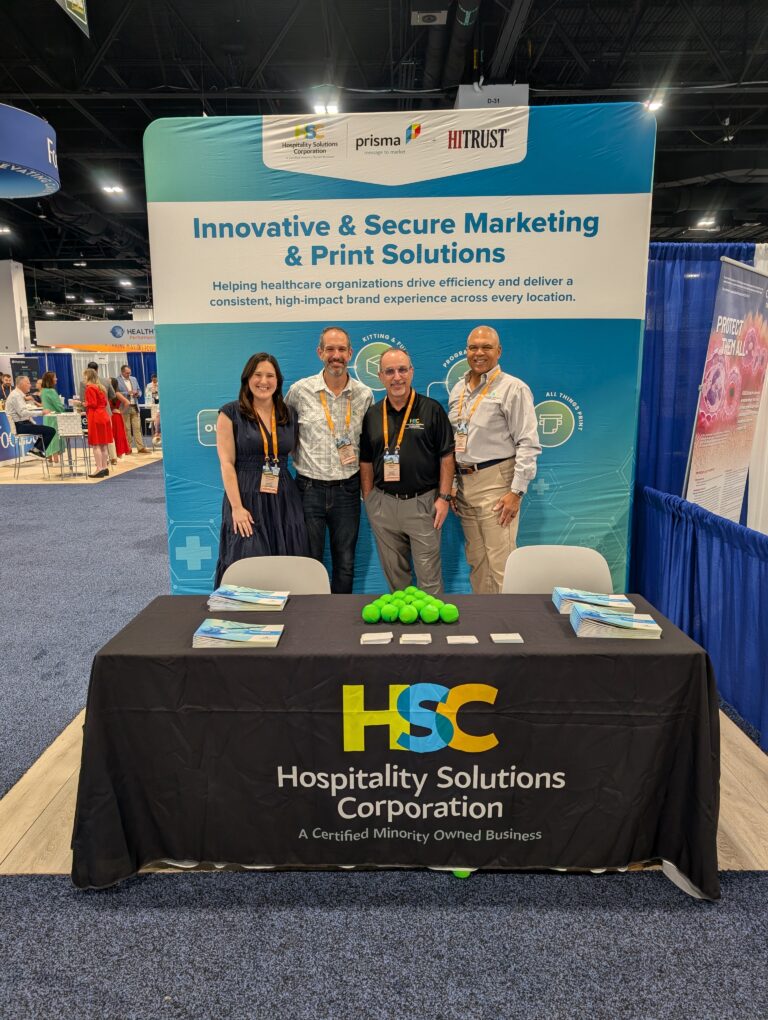
At Prisma, we don’t just guide clients through compliance, we lead by example. We are both HITRUST certified and HIPAA compliant, demonstrating our commitment to the highest standards of data protection. This means our clients can trust that the systems, processes, and partnerships our team uses are built with security and compliance at the core.
In a landscape where trust is everything, working with a partner who embodies both HIPAA compliance and HITRUST certification isn’t just a benefit—it’s a competitive advantage.
Schedule a meeting with our team today to find out how Prisma can provide secure, compliant solutions to optimize your marketing and critical communication.