By John Bussolari, Vice President, Enterprise Business, and Steve Bloomquist, Mailing Manager, Prisma
Every few years someone declares direct mail dead. Every few years the mailbox proves them wrong. Mail is still one of the few channels people physically hold, read and keep, and it remains the channel of record for the communications that matter most: statements, checks, benefits notices and offers with a deadline.
What has changed is the math. Postage has risen faster than inflation, the Postal Service has reworked how and where mail is processed, and delivery times are less predictable than they used to be. The organizations getting the most from mail today are the ones treating postage as something to engineer, not just pay. Here is what we are seeing across the more than 30 million pieces Prisma mails each month, and what you can do about it.
Where Direct Mail Stands Today
Three forces define the market right now.
Postage keeps climbing. Under its Delivering for America plan, USPS has used its pricing authority to raise rates regularly, often twice a year. For high-volume mailers, even a cent per piece adds up to real money, so the cost of not optimizing has never been higher.
The postal network is changing. USPS has been consolidating processing into larger regional centers and adjusting service standards. For some mail, that has meant longer or less consistent delivery windows, especially for USPS Marketing Mail and in peak seasons. Fall of an election year adds political mail to the stream, which competes for the same capacity.
Mail still earns attention, and trust. Inboxes are crowded and digital ads are easy to ignore. Mail arrives with fewer competing messages, and USPS research has long shown that households read and act on the mail they receive. A 2026 consumer insights report on direct mail adds new evidence:
- Rising prices make mail more effective, not less. 84% of consumers say rising prices have changed how they shop, and economically strained consumers are more likely to act on direct mail.
- Relevance drives response. 89% say relevant, personalized mail is what moves them to act, though what feels relevant differs by generation.
- Trust is growing. 34% now say direct mail feels more trustworthy than digital communication, a 9-point jump from the year before.
For healthcare and financial services brands, where trust is everything, that last finding matters most. Mail works best today as part of a coordinated campaign alongside email, text and digital, not as a stand-alone channel.
Trends Shaping Mail
- Personalization at scale. Variable data printing lets every piece carry its own name, offer, image and call to action. Mailers are moving from a few versions to dozens, and from “one drop a quarter” to smaller, triggered mailings that go out when a customer does something.
- Mail that connects to digital. QR codes, personalized URLs and USPS Informed Delivery, which emails households a preview of their mail each morning, turn a mailpiece into a digital touchpoint you can track.
- Measurement and tracking. Intelligent Mail barcode (IMb) tracking shows when mail enters the postal stream and moves toward delivery, so campaigns can be timed and results attributed more precisely.
- Speed and predictability. With delivery windows less consistent, smart mailers plan for variability: building buffers into offer deadlines, mailing earlier in the week and choosing mail class by how time-sensitive the message is.
- Sustainability. Brands and their customers increasingly expect FSC-certified paper and responsible production, and lighter stocks can lower both environmental impact and freight and postage costs.
Formats That are Working
- Postcards, sized for the rate you want. Postcards are fast to produce and get read. But size matters: a card up to 4 1/4” x 6” qualifies for First-Class postcard rates, while a larger card, such as 5 1/2” x 8 1/2”, mails at letter rates. That difference can be tens of thousands of dollars a year on a weekly program.
- Oversized cards and self-mailers. Bigger formats stand out in the mailbox and carry more content. They cost more to mail, so they are best for high-value offers where the extra attention pays for itself.
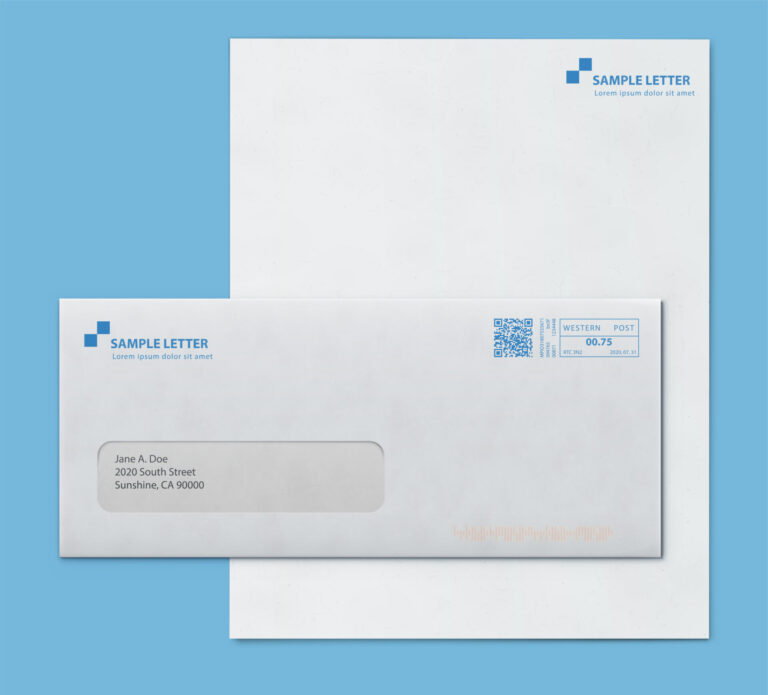
- Personalized letters in window envelopes. Still the workhorse for offers, notices and anything that feels official, especially when paired with a variable buckslip or insert.
- Tactile, sensory and interactive pieces. Special coatings, textures, foils, scents and pop-ups increase engagement and can also qualify for USPS promotional discounts.
- Color transactional mail (transpromo). Statements, bills and notices that add personalized color messaging turn a required mailing into a marketing opportunity, without adding a separate piece.
USPS Promotions and Incentives
Every year, USPS publishes a calendar of mailing promotions that give a postage discount, typically a few percent on eligible pieces, for mail that uses specific features. The lineup changes each year, but recent programs have included:
- Tactile, Sensory and Interactive: special inks, textures, scents, sound or interactive folds.
- Emerging and Advanced Technology: QR codes or other technology that connects mail to a digital experience, such as augmented reality or voice assistants.
- Informed Delivery: campaigns that add a clickable image and link to the household’s daily Informed Delivery email.
- Personalized Color Transpromo: personalized color marketing messages on First-Class statements and bills.
- Reply mail incentives: credits for including prepaid reply envelopes or cards, such as Earned Value Reply Mail.
These discounts are not automatic. Mailers usually need to register in advance through USPS’s Business Customer Gateway, the mailing must meet each promotion’s requirements, and the discount is claimed in the postage statement. Promotions run for set windows, so the time to plan for next year’s calendar is now. Because the details change annually, check the current USPS promotions calendar on PostalPro before designing a campaign around one.
What This Means for Healthcare
Healthcare relies on mail for communications that are often required, time-sensitive and full of protected health information: member ID cards, explanations of benefits, annual plan notices, enrollment kits, appointment and screening reminders, and medical records requests.
- Security comes first. Any partner handling PHI should operate under HIPAA-compliant processes, and certifications such as HITRUST add independent assurance. Ask how data files are transferred, who can access them, how every piece is tracked and how misdirected mail is investigated.
- Deadlines are regulatory. Medicare plans, for example, must get certain notices to members before the Annual Enrollment Period, which starts October 15. Build delivery variability into those schedules and use mail tracking to confirm in-home dates.
- Engagement improves outcomes. Personalized reminders, clear design and QR codes that lead to scheduling or refill pages help members act, which matters as much for outcomes as for response rates.
- Volume makes optimization pay. Health plans and providers mailing at scale benefit most from presort, commingling and First-Class versus Marketing Mail decisions made piece by piece.
What This Means for Financial Services
Banks, credit unions, lenders and insurers mail everything from statements and privacy notices to prescreened offers, checks and new cards.
- Acquisition mail is timing-sensitive. Lending offers often carry an expiration date. When delivery slows, prospects get less time to respond. Set offer and PIN expiration dates from realistic in-home windows, not drop dates, and use IMb tracking to see where each drop is.
- Security features must survive production. Live checks carry microprinting, pantographs and other features that the press must reproduce accurately, and every piece needs a reliable audit trail.
- Statements are an opportunity. As more customers go paperless, the statements that remain in print are read by engaged customers. Personalized color messaging on those statements can promote products and may qualify for USPS transpromo incentives.
- Address quality protects rates and reputation. Move Update compliance (such as NCOA processing) is required for presort pricing, and clean addresses reduce returned mail, which matters for compliance notices that must reach the customer.
- Mergers create mail. Bank and credit union mergers bring conversion mailings, new checks and rebranded materials, often on tight deadlines. Plan capacity early.
Eight Ways to Lower Your Postage Costs
- Design to the rate. Before artwork starts, check size, shape and weight against USPS rate thresholds. Moving a postcard to 4 1/4” x 6” or keeping a letter under one ounce can cut postage without changing the message.
- Keep pieces machinable. Rigid, square, lumpy or oddly shaped pieces can trigger nonmachinable surcharges. Small design changes usually avoid them.
- Clean your list. CASS, NCOA and duplicate removal lower waste, protect presort pricing and keep pieces from being returned.
- Commingle smaller mailings. Combining your mail with other mailers’ volume earns deeper presort discounts than a smaller mailing could on its own.
- Use destination entry where it fits. Dropping Marketing Mail at postal facilities closer to recipients can lower postage and shorten delivery times.
- Match mail class to the message. Use First-Class for time-critical and required mail and Marketing Mail where a few extra days are acceptable. Many programs can split mail class by segment.
- Plan around the promotions calendar. Build qualifying features, such as QR codes, Informed Delivery campaigns or tactile finishes, into campaigns you are already planning and register early.
- Lighten your paper. Lighter stocks with the same thickness and opacity can keep pieces under postage weight breaks and lower freight costs. Ask your print partner for samples.
How Prisma Can Help
Prisma mails more than 30 million pieces a month from secure, HITRUST-certified facilities, with production across the country so work keeps moving if one site is down. Our mailing team reviews every program for postage savings, from piece design and list hygiene to presort, commingling, mail class and USPS promotions, and we track mail so you know when it lands.
If you would like a postage review of your current programs, or help planning next year’s campaigns around the USPS promotions calendar, reach out to your Prisma account team. Mail is not getting cheaper, but it can get a lot smarter.
Sources and Further Reading
- Lob, 2026 Direct Mail Consumer Insights Report: lob.com/state-of-direct-mail/consumer-insights/2026-report
- USPS PostalPro, Promotions and Incentives (current-year promotions calendar and requirements): postalpro.usps.com
- USPS, Informed Delivery for Business: usps.com/business/informed-delivery.htm
- USPS, Delivering for America plan and service standard updates: about.usps.com
- USPS, Household Diary Study (how households receive and respond to mail): about.usps.com
- USPS Domestic Mail Manual (DMM), size, shape and Move Update requirements: pe.usps.com
- Association of National Advertisers (ANA), Response Rate Report: ana.net